
Limpopo Boy addresses viral video leak, calls for privacy and removal.

South African dancer and musician Robert Matome Thoka, known professionally as Limpopo Boy, is speaking out after a private video involving him began circulating online last week.
Through his management team, Thoka said the footage was taken without consent and distributed without authorisation, and confirmed they are pursuing both legal and technical steps to have it removed.

The statement marks the first formal response from the Limpopo-born artist since clips began appearing across Facebook, X, TikTok and WhatsApp groups.
From Ga-Matome to global stages
Thoka has built a public profile over the last decade as a dancer, choreographer and recording artist.
He grew up in Limpopo and first drew attention for blending pantsula, Afro house movement and freestyle in street battles and community showcases.
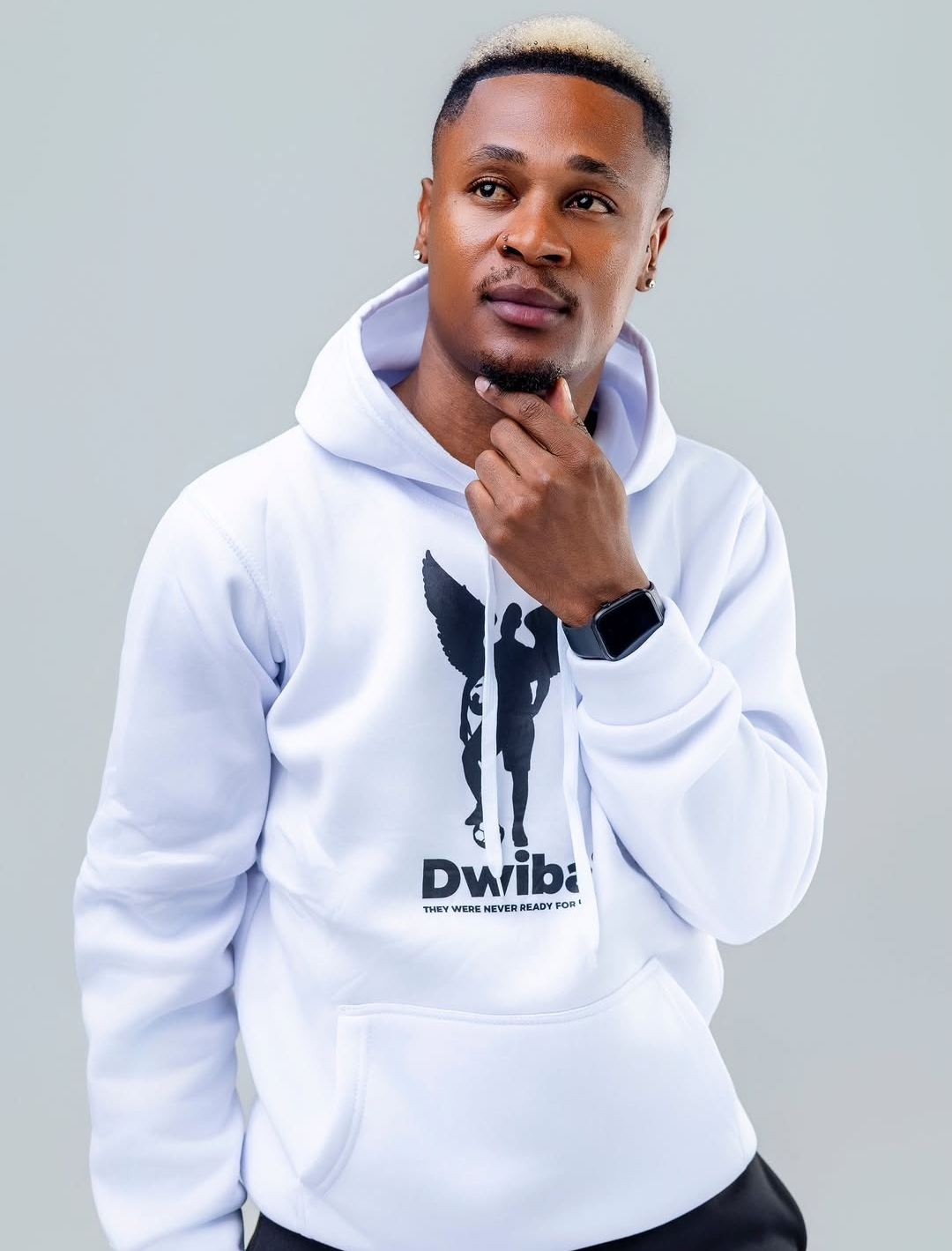
That foundation took him overseas. In July 2023 he won the Brussels Dance Battle in Belgium, a result that put his name in front of international bookers.
He has since performed at large-scale events including the Global Citizen Festival, and has worked behind the scenes as a choreographer for other South African acts.

On social media his reach is significant. His team lists about 4.1 million followers on Facebook, 1.1 million on Instagram, and 2 million on TikTok.
The Facebook account Limpopo Boy RSA is the page where, according to the statement and posts seen online, the original story clip was first uploaded.
What happened with the video
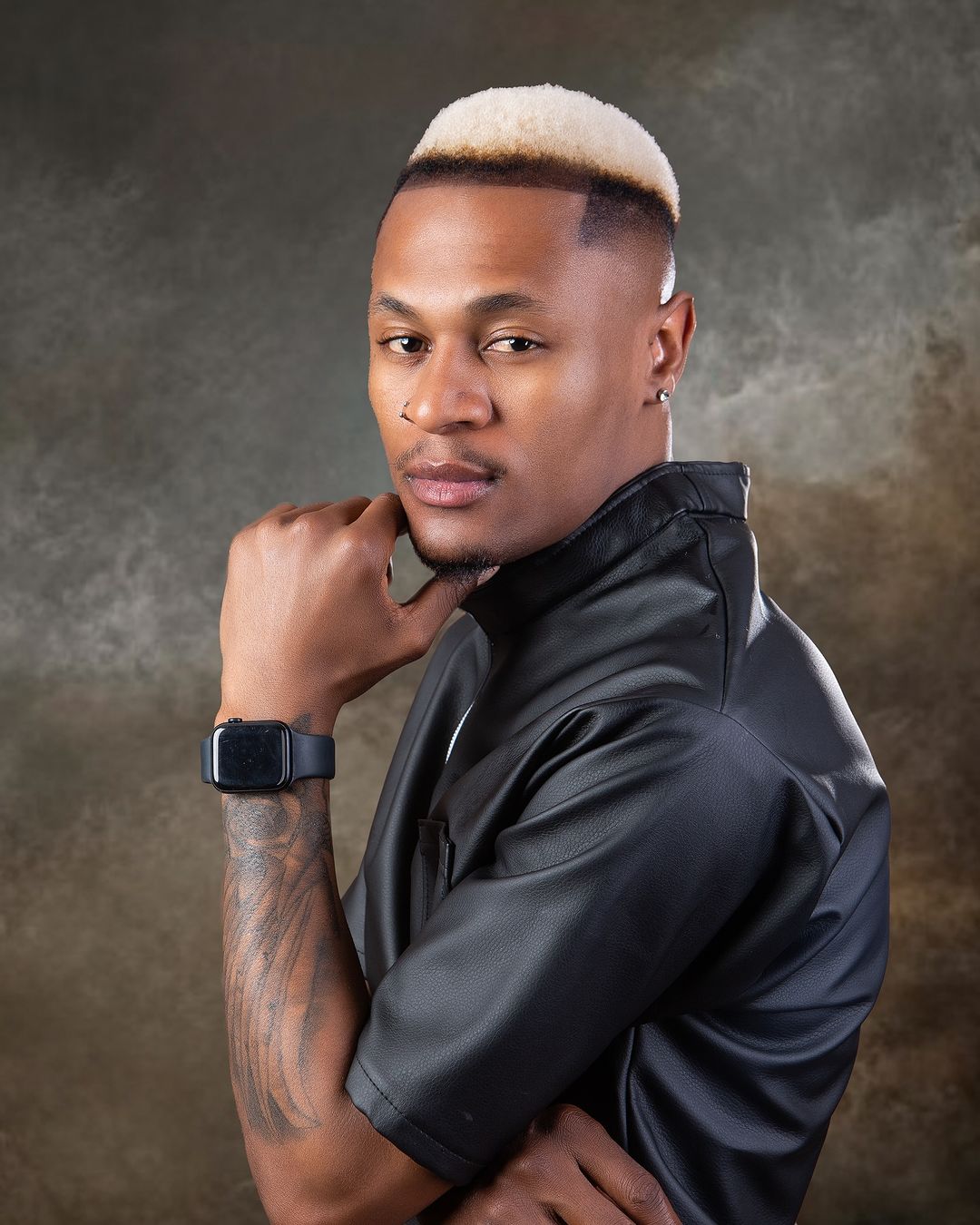
The clip in question is short and was recorded in selfie mode. In it Thoka appears with a woman before turning the camera on himself.
Within hours of being posted to stories, screenshots and screen recordings were reposted by other accounts. Because stories disappear after 24 hours, the reposts are what kept the video in circulation.
By Monday morning the clip was being shared with captions linking Thoka’s name to allegations about the identity of the woman in the video.
Several entertainment pages referenced Johannesburg influencer Matshidiso Matilda in connection with the footage.

Reports also noted that Kevin Shai, who is publicly identified as Matilda’s husband, deactivated his social media accounts after the video began spreading.
None of those parties have issued a public statement confirming details beyond what has already appeared online.
The management response
Limpopo Boy’s management released a statement through his official channels calling the distribution “unauthorised and malicious.”
Key points from the statement:
*Privacy violation*. “This content was stolen without consent and shared entirely without authorisation. This is a serious violation of privacy and a criminal matter.”
*Investigation*. “We are in the process of engaging cybersecurity experts to investigate the source of this breach.”
*Takedowns*. “We are actively working with legal teams and hosting platforms to ensure the immediate removal of these links and files.”
The team also asked the public not to share, download or engage with the links. “Distributing the content is unlawful and causes further harm,” the statement read.
Comments on the original Facebook post appear to have been limited, but discussion continued on other pages and in group chats.
Why platforms are acting
South African law treats the non-consensual sharing of intimate images as a criminal offense under the Cybercrimes Act.
Platforms also have their own policies. Facebook, Instagram, TikTok and X all prohibit the posting of non-consensual intimate media and provide reporting tools for takedown requests.
Because the video was first posted to a story and then copied, removal is a two-part process. First, the original account holder can delete the story.
Second, rights holders and legal representatives can submit takedown notices to each platform where copies appear.
That is what Thoka’s team says it is doing now, with support from cybersecurity specialists who are tracing where the earliest reuploads came from.
Experts who work in digital forensics say cases like this often involve one of three scenarios: an account compromise, a device that was accessed by someone else, or content that was shared in a private chat and then leaked.
Without a completed investigation it is not possible to say which applies here.
Thoka’s team has not speculated publicly and said they will share findings once the review is complete.
Public reaction
The story moved quickly because of Thoka’s follower numbers and because he is recognisable from dance videos that regularly trend. On Facebook and TikTok, dance fans posted messages of support and asked others not to repost the clip.
On X, the conversation split between calls for privacy and commentary about celebrity culture.
Several creators used the moment to talk about a wider issue: how fast private material spreads once it leaves the original app. “One story upload, ten screen recordings, a hundred WhatsApp forwards” was a common refrain in threads discussing the case.
Media coverage has largely focused on the management statement and the legal process, rather than on describing the video itself.
That approach mirrors guidance from press councils in South Africa, which advise against publishing intimate images without consent even when reporting on a public figure.
The impact on a working artist.
For an artist who makes a living from performances, brand deals and digital reach, a leak like this creates immediate practical problems.
First is time. Legal teams, platform reports and cybersecurity work pull focus away from rehearsals, travel and releases. Thoka has upcoming bookings that were announced earlier in the year, and his team will need to decide how much to address publicly versus letting the takedown process run.
Second is reputation management. Thoka’s brand is built on dance skill and stage energy, not controversy. In similar cases, artists have found that the news cycle moves on once the content is removed and no new material appears, but search results and old posts can linger.
Third is safety and privacy. High-profile creators are increasingly targeted for account hacks and phishing because of their audience size.
The decision to bring in cybersecurity experts suggests the team is looking at more than just this one video, and may review account security, device access and who has login permissions across platforms.
A bigger conversation about consent online
This is not the first time a South African public figure has had private footage leaked, and it will not be the last. What has changed in the last few years is how quickly platforms respond when a formal complaint is filed, and how much audiences now understand that sharing is part of the harm.
Three points come up often when lawyers and digital rights groups discuss these cases:
1. *Consent to record is not consent to publish*. Even if two adults record something privately, sharing it without both people agreeing can be unlawful.
2. *Sharing is distribution*. Liking, forwarding or reposting can contribute to the spread and may have legal consequences depending on jurisdiction.
3. *Takedown is not erasure*. Once a file is copied, it can resurface. That is why legal teams focus on both removal and on identifying the source to deter further leaks.
In Thoka’s statement, the request for the public to stop sharing is central. It is also the hardest part to enforce, because group chats and closed channels are difficult to monitor. Platforms can remove public posts, but they rely on users to report copies they see in private spaces.
According to the management note, the next steps are already underway:
– Cybersecurity experts are reviewing access logs and possible breach points.
– Legal teams are filing removal requests with hosting platforms and with sites that have reposted the clip.
– The team is monitoring for new uploads and issuing further takedowns as needed
Thoka himself has not posted a personal video about the incident. His last public posts before the story broke were performance clips and tour updates, which remain on his pages.
Whether there will be criminal charges depends on what the investigation finds and on decisions by prosecutors. In South Africa, victims of non-consensual image sharing can also pursue civil remedies.
For people who follow Thoka for dance, the past few years have been busy. From community battles in Limpopo to winning in Brussels and performing at Global Citizen, his trajectory has been tied to live performance and short-form video. That is why the leak feels especially disruptive. His work relies on being in front of a camera on his own terms.
Fans who want to support him have been directed to his official pages and to avoid engaging with reposts. That includes not searching for the clip, not saving it, and not sending it in DMs. Platform policies and South African law both treat distribution as part of the offense, not just the original upload.
The Limpopo Boy case sits at the intersection of fame, technology and privacy. A creator with millions of followers posted a story. Someone copied it. Within a day it was everywhere. Now lawyers, cybersecurity experts and platform moderators are trying to put it back.
Thoka’s management has been clear about what they want: the content removed, the source identified, and no further sharing. How quickly that happens will depend on how many copies are out there and how fast platforms act on each report.
For now, the artist’s team is asking for the same thing many digital rights advocates ask in these moments. Treat private material as private, even when the person in it is famous. Do not share. Report it. And wait for the legal process to play out.
Thoka has not announced any change to his performance schedule. Updates, the team said, will come through his verified accounts once the investigation reaches a point where they can share more.