
A Sip of Black Label, A Walk to a House, and a Whole Country Arguing: What the Viral Street Video Really Shows.
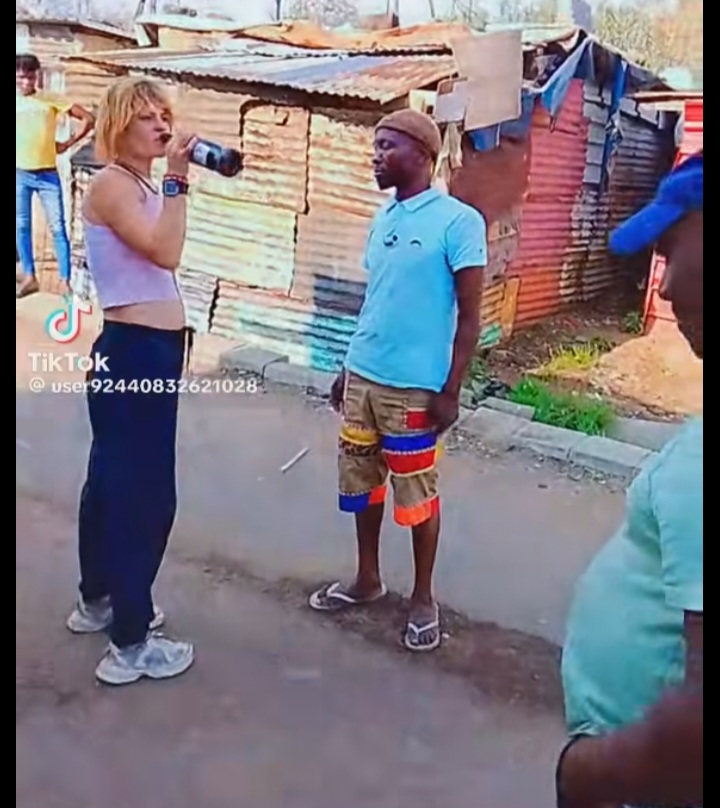
There is a video trending in South Africa this week. You have probably seen it on WhatsApp Status, TikTok or X.
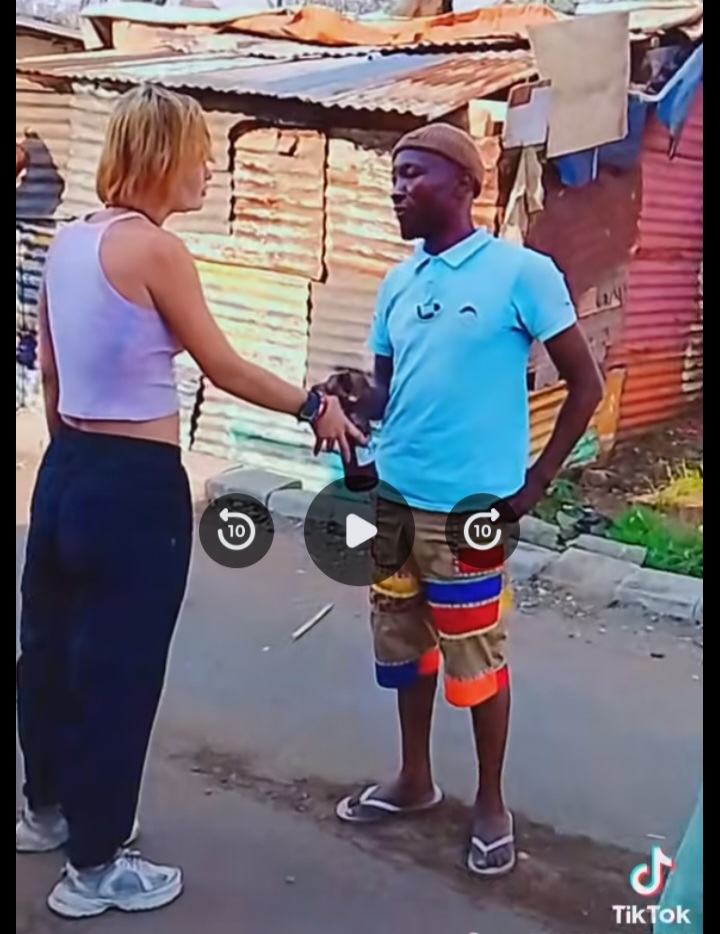
A young Zulu man is on a street, holding a Black Label quart. Next to him is a young Coloured woman. He offers her a sip. She takes it.
They laugh. He puts his arm around her. The camera follows them as they walk together towards a house in what looks like a township street. The video ends there.
Under 30 seconds long. No fight. No screaming. But the comment section is a war.
That is why the video went viral not because of what it shows, but because of what people think it shows.
What people are actually arguing about
Read 100 comments and you will see 5 different arguments happening at once:
1. Alcohol and consent.
The first question everyone asks: was she sober? Was she coerced? In South Africa, offering someone a sip on the street is common, often harmless. But it is also a pattern that worries people alcohol as an icebreaker, as a transaction, as a way to lower inhibitions.
When a woman drinks from a stranger’s bottle and then goes with him, people immediately jump to conclusions about what will happen inside that house. We don’t see what happens inside. But the anxiety is real because many South Africans have seen that story end badly.
2. Race and stereotypes.
This is the uncomfortable part. The fact that the man is described as Zulu and the woman as Coloured is doing a lot of heavy lifting in the comments.
For some, it feeds into old, tired stereotypes about Zulu men being predatory. For others, it feeds into stereotypes about Coloured women being “easy” or “drunk.” Both are racist and both are unfair.
Two individuals made a choice on a street. That choice does not represent two entire cultures. When we turn two people into ambassadors for their race, we lose the plot.
3. The camera and performance.
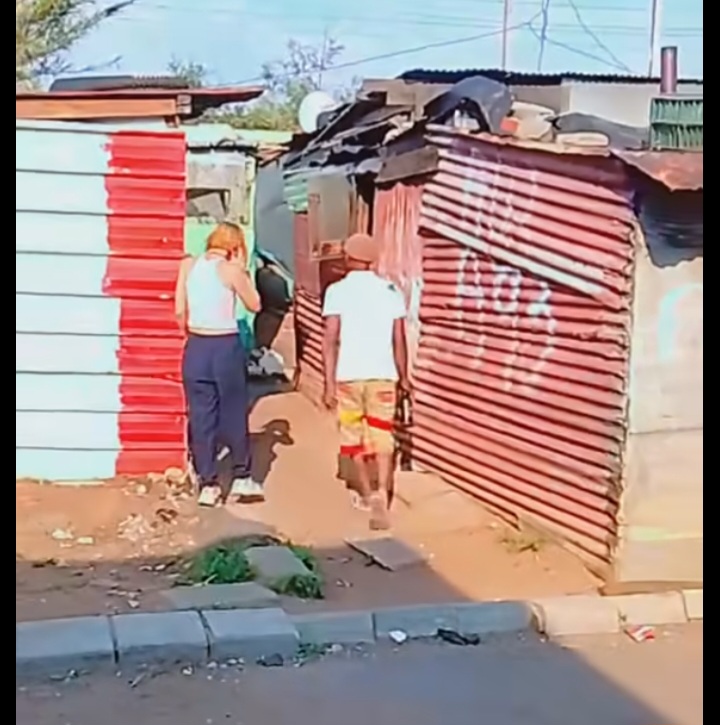
Nobody asks who is filming. Why was the camera already rolling? Is this a staged TikTok skit for views?
A lot of these “street sip” videos are now deliberate content guys filming themselves approaching women with a beer to get clout. The woman may be in on it. She may not know she will end up on 200,000 phones. In the age of content, intimacy is often performed for an audience, and consent to be filmed is rarely asked for.
4. Poverty, boredom, and public space.
For many viewers outside the township, the street looks like chaos. For people who live there, this is just daily life people hanging outside, sharing a beer because there is no pub to go to, no lounge to sit in.
Public drinking, flirting in public, walking to someone’s house these are normal social rituals where private space is limited. What looks scandalous to middle-class Twitter is just Saturday afternoon in many neighborhoods.
What we are not seeing
The video stops at the gate. We don’t know if she is his girlfriend, a friend, someone he just met, or someone acting for the camera. We don’t know her age and that is critical.
If she is under 18, this is not a debate about morals, it is a legal matter. If she is an adult, then two adults made a decision, however messy, to share a drink and go somewhere private.
What we do know is how we reacted. We screenshot, we share, we laugh, we judge, we tag friends saying “see Coloured girls”. We make a young woman who had one sip of beer into a national character.
The bigger problem with these videos
The real danger of this trend is not the sip of Black Label. It is what comes after:
We have normalized filming strangers, especially women, without clear consent and posting them for likes. We have normalized using alcohol as content. And we have normalized turning ordinary, ambiguous human interaction into a racial morality play.

If you are worried about the young woman don’t share the video. If you are worried about alcohol abuse talk about why cheap, strong beer is often the only social lubricant available in areas with no youth centers, no safe recreational spaces.
If you are worried about exploitation support organizations that actually deal with gender-based violence, instead of fighting in TikTok comments.
A man offered a sip. A woman took it. They walked to a house. The rest, we invented.
And the fact that the entire country has an opinion about that says more about us than it does about them.