
DURBAN South African singing sensation Naledi Aphiwe has made it clear: her name is not content.
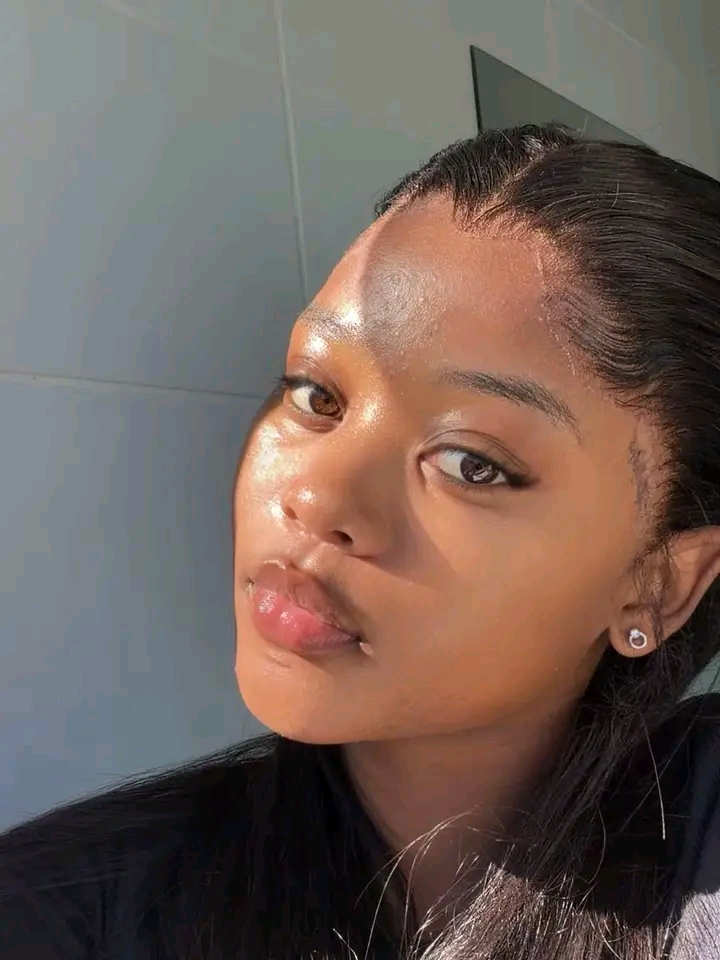
In an industry where virality often feels more valuable than artistry, the 19-year-old from Inanda, KwaZulu-Natal, is taking a stand for professional boundaries, personal peace and the right to control her own image.
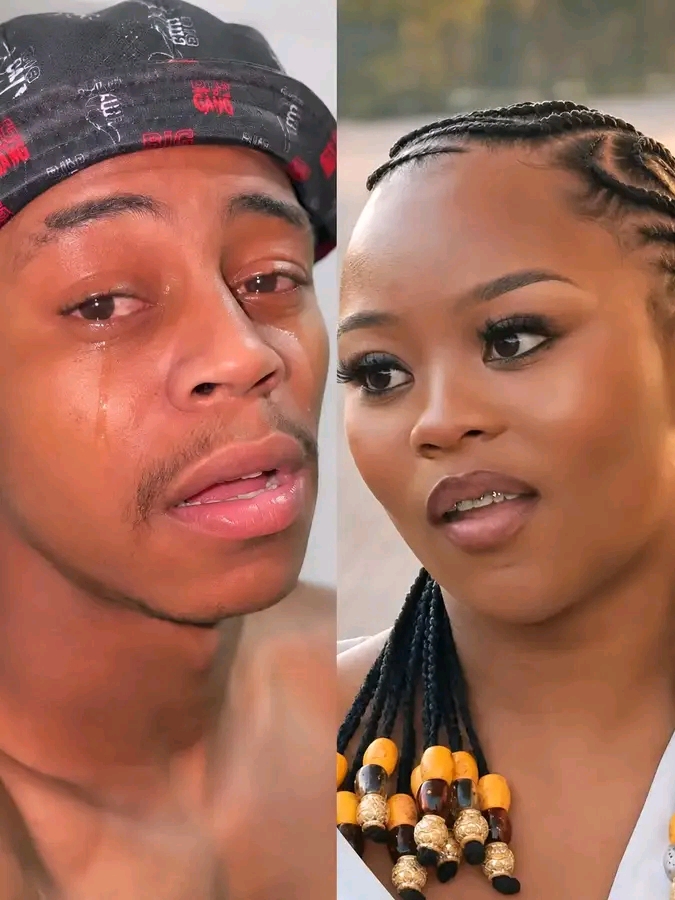
The decision comes after months of intense online attention from content creator Spikili, whose persistent use of Naledi’s name in skits, songs, live videos and daily posts turned what started as fan admiration into a sustained digital campaign.
From Viral Crush To Online Tension
For anyone on South African TikTok and Facebook over the last year, the dynamic was hard to miss.
Spikili, known for his comedic skits and romantic themed content, began featuring Naledi Aphiwe regularly. At first, followers found it entertaining – a creator openly crushing on one of Mzansi’s brightest young voices. The comments were filled with laughing emojis, “ship” names and encouragement.

But as weeks turned into months, the content did not stop. Naledi’s name, image and songs were repeatedly used to drive engagement, often without any direct collaboration or consent from the singer herself.
What many viewers saw as harmless, sources close to the singer say felt overwhelming and one-sided. For an artist who is still navigating fame, matric results, a major label deal with Virgin Music Group, and the grief of losing her mother at a young age, the constant association became a distraction from her actual work.
Reports emerged that Naledi had blocked the creator on several platforms and that discussions around a formal cease-and-desist notice had taken place. The message was simple: stop using my name for views.
Why This Moment Matters For Naledi
It is easy to forget how young Naledi Aphiwe is. Born on 15 December 2006, she rose to fame while still at Khethokuhle Secondary School when a classroom singing video went viral in 2022. That video landed her vocals on Chris Brown’s Grammy-winning album 11:11 on the song “Shooter”.
Since then, her career has moved at lightning speed. She won Soft ‘n Free Pop Artist of the Year at the 2024 Basadi in Music Awards, signed an international deal in January 2025, and made history in May 2025 when her hit “Romeo & Juliet” with Mawelele won Best African Pop and Best R&B at the Metro FM Awards, making her the youngest ever Metro FM winner.
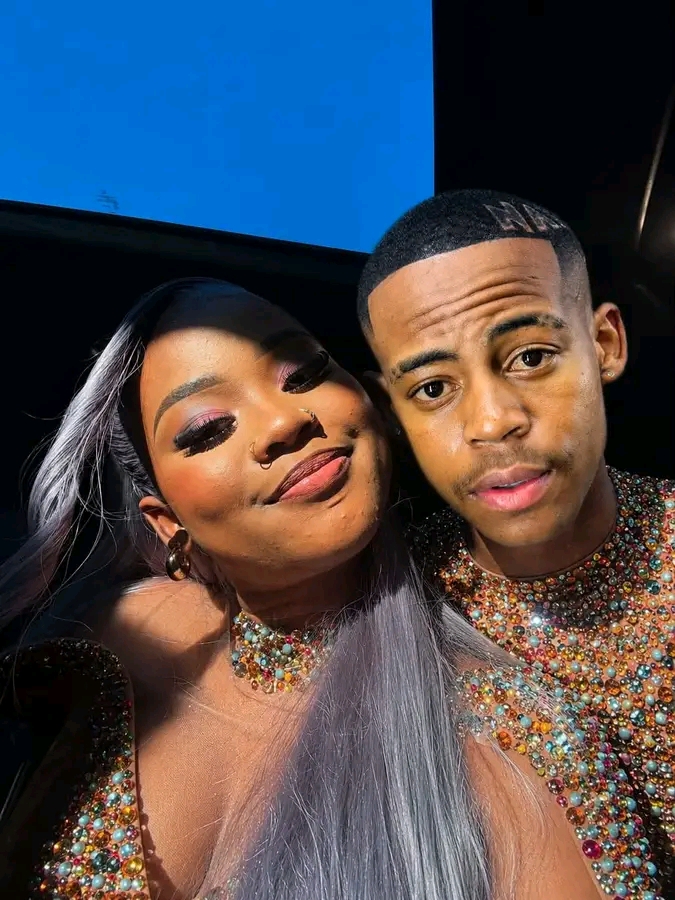
That is the career she is trying to protect.
Continuous online association with another creator’s romantic storyline risks reducing a multi-award-winning musician to a character in someone else’s content strategy. Every video that uses her name for clout, even with affection, chips away at the brand her team is building – one based on soulful Afro-pop, Zulu heritage, and powerful vocal talent.
For a rising female artist in South Africa, managing public perception is a delicate task. One viral narrative can quickly overshadow years of studio work, vocal training in church and school choirs, and professional growth.
By drawing a line, Naledi is signalling professional maturity far beyond her age.
A Bigger Conversation About Consent In Content
The Naledi and Spikili situation is not just about two individuals. It has become a major talking point about digital culture in South Africa.
We live in an era where the line between public figure and public property is blurred. Once someone is famous, many feel entitled to use their name, face, and personal life for likes, shares, and monetization.
But South African law is clear: every person, including celebrities, has a right to dignity, privacy and control over their identity. Being a public figure does not mean you consent to being a permanent fixture in another creator’s storyline.
Followers often become deeply invested in these manufactured romances. They want the proposal, the collaboration, the drama. But when the real person behind the name says they are uncomfortable, that discomfort has to be respected.
Content creators are learning that engagement metrics cannot come at the cost of someone else’s boundaries. Consent is not just for physical interaction it applies to digital identity too.
Professional Integrity Over Timeline Entertainment
Ultimately, Naledi Aphiwe’s decision is about choosing long term respect over short term hype.
She is not the first young female artist to face this. From the US to the UK to Mzansi, young women in music often have to fight twice as hard to be taken seriously as artists rather than as internet personalities, girlfriends, or memes.
Naledi’s team has not released an aggressive public statement, and she has not attacked anyone. Instead, she has quietly but firmly distanced herself – blocking, unfollowing, and making it clear through her actions that she wants her music to speak for itself.
It is a powerful lesson for both fans and creators: you can admire an artist without possessing them. You can celebrate their music without inserting yourself into their personal story.
For Naledi Aphiwe, the focus remains where it should be in the studio, on stage, and in building a legacy that will outlast any TikTok trend.
Her name is Naledi Aphiwe Myongwane. It belongs to her. And she has every right to decide how it is used.
Watch Video here: https://www.facebook.com/share/v/1FC8VbFeR1/