
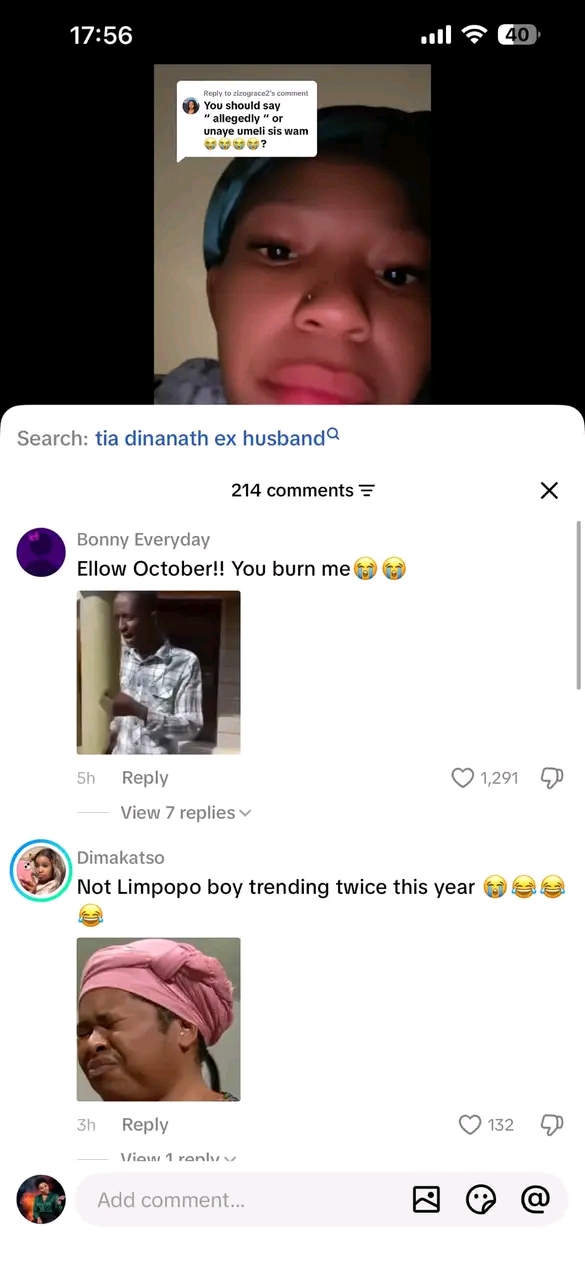
A TikTok video posted by a university student has become one of the most discussed topics among students in Limpopo and Gauteng this week.

In the video, the young woman says she is gatvol and wants to warn other female students to be careful, to never fall for tricks from “zababantu abathweleyo” – a term often used on social media to describe people who are allegedly using traditional medicine or spiritual means to influence others.
The video, which has been reposted to Facebook and WhatsApp groups, is now being shared with different captions, some of which are adding details that were not in the original.
As with many viral stories, it is important to separate what was actually said by the student from what people are adding in the comments.
What She Alleged On TikTok
According to the TikTok, the student says she was invited by a guy from Limpopo to his flat.
She says they were drinking and having a good time, and she had 3 dumpies. She then alleges that the guy asked them to go to the bedroom, which they did, and then he suggested they do “into zabantu abathandanayo” – things that people who are in a relationship do.
She says she refused because it was her first time visiting him and she did not want to. She alleges that the guy kept insisting, saying “siyathandana” – that they are dating and should therefore do it. She says after that she started feeling off, even though she had only had 3 bottles, and that is where her memory becomes unclear.
She alleges that something happened for about 20 minutes, and after that she does not know what happened. She says she woke up confused, not knowing her name, not sure if she had slept or had been sitting the whole time.
In the video she says she felt that “a pha kukhona izilwane, apha ikhona into endiyenziweyo” – that there is something spiritual that was done to her.
She says she later went to a sangoma, who according to her, told her that the man uses young women and that is why when he and someone named Matshidiso trended before, people focused on Matshidiso, because “izilwane” protect “abantu abathweleyo”.
It is important to state clearly: These are allegations made on TikTok. They have not been verified by police, by the university, or by any court. The identity of the man has not been officially confirmed, and no charges have been publicly confirmed at the time of writing.
Why The Video Is Getting So Much Attention
There are a few reasons why this story has spread so fast, especially among university students.
First, many students can relate to the setting.
Invites to flats, drinking with someone you are still getting to know, and pressure to do things you are not ready for are situations that many young people, especially first-year students, find themselves in. When someone speaks openly about feeling pressured, it resonates.
Second, the use of language like “zababantu abathweleyo”, “izilwane” and “usebenzisa amantombazana” touches on a deep belief system that many people in South Africa grow up with.
Whether people believe in it or not, stories about someone using muthi or spiritual protection to attract or control partners have always trended heavily on TikTok and Facebook. When a personal story is linked to that belief, it spreads faster.
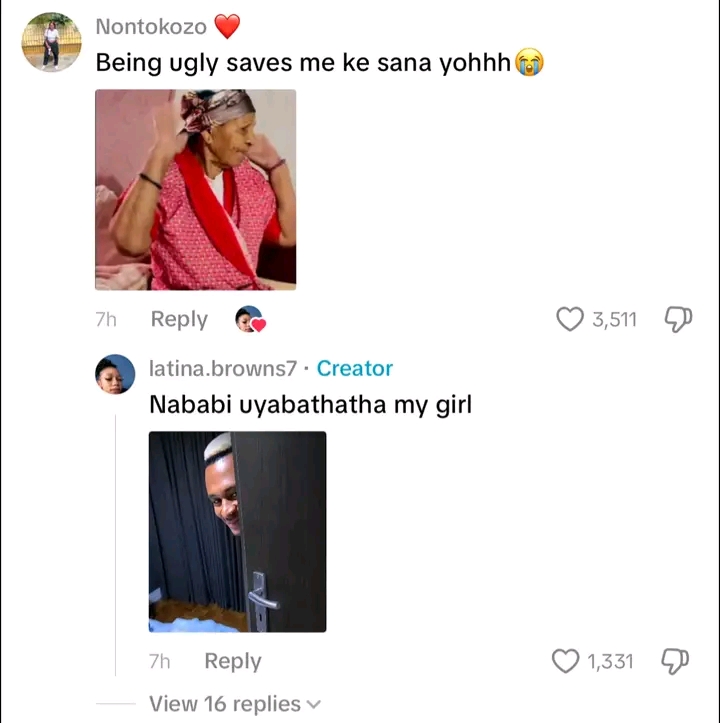
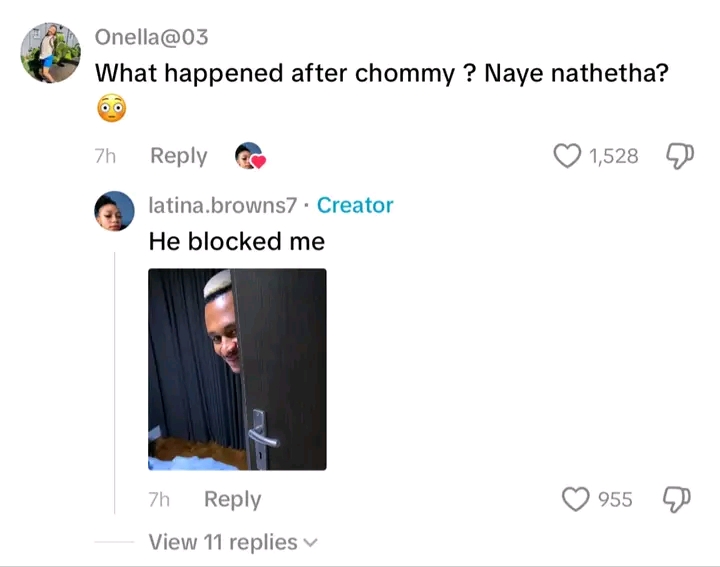
Third, the mention of Matshidiso, who previously trended with the same guy according to commenters, makes people feel like there is a pattern. In the comments, many people are now linking old videos and saying “we told you”, which is pushing the algorithm to show the video to even more people.
The Bigger Issues The Video Raises
Even if the specific details of this case are still unverified, the video has opened up three very serious conversations that affect many students.
Consent and Pressure
Consent must be clear, sober and enthusiastic. If someone says no, or says they are not ready because it is their first visit, that no must be respected.
Saying “siyathandana so masenze” after someone has already refused is pressure, not consent. In South African law, sex without consent is rape, regardless of whether the people were dating, drinking together, or in the same room.
Alcohol makes this even more complicated. The student says she only had 3 dumpies but felt off. Whether that feeling was due to alcohol, shock, anxiety, or something else, the law is clear: if a person is so intoxicated, confused or disoriented that they cannot consent, you cannot proceed.
Alcohol, Safety and First Visits
Many campus safety organisations advise students, especially female students visiting a guy for the first time, to tell a friend where they are, to keep their drink in sight, and to have an exit plan.
Not because it is the victim’s responsibility, but because university flats are private spaces with little security. If you start feeling unusually dizzy, confused, or sleepy after a small amount of alcohol, try to get to a safe place and contact someone you trust immediately.
Sangomas, Izilwane and Social Media Accusations
Going to a sangoma for clarity after a confusing experience is something many South Africans do, and it is part of cultural practice. However, sangomas’ consultations are spiritual and personal, they are not legal evidence.
When such consultations are brought to TikTok as proof that someone “usebenzisa amantombazana”, it can become defamation if the person is identifiable and no legal case has been opened.
This is where students need to be careful. Accusing someone of using “izilwane” to sleep with girls, without a police case or university investigation, can lead to serious legal trouble for the person making the accusation, and it can also make it harder for a real investigation to happen if the story has already been turned into a meme.
What Should Happen If This Happened To You
If you or someone you know has experienced something similar to what was described in the video, there are steps that can help:
First, get medical help as soon as possible. Go to a clinic, campus health centre or hospital. If you suspect your drink was spiked or you cannot remember what happened, tell the nurse or doctor exactly that. They can check you and, if you want, do a forensic exam. The sooner you go, the better.
Second, consider reporting. You can report to the South African Police Service, or to your university’s Gender-Based Violence office, which most universities now have.
You do not have to decide immediately whether you want to open a criminal case, but speaking to a social worker or counsellor on campus can help you understand your options.
Third, keep evidence. Save the TikTok, screenshots, messages about the flat invitation, and any messages after. Do not edit them.
If you went to a sangoma, that is your personal journey, but for a formal case, messages, medical records and your own statement are what the police and university will use.
Fourth, get emotional support. Confusion, self-blame, and feeling like “andazi noba uke walala noba oko ebehleli” are common after a traumatic experience. You can contact Rape Crisis at 021 447 1467, TEARS Animal Trust helpline *1347355# or 0800 014 747, or the GBV Command Centre at 0800 428 428. Most universities also have free counselling.
A Warning For Those Sharing The Video
Sharing the TikTok with captions that add the guy’s full name, address, face, or phone number can get you into trouble.
South Africa’s Cybercrimes Act and Protection of Personal Information Act make it illegal to share someone’s private information with the intention to harass. If you are sharing the story to warn others, warn about the behaviour pressure, inviting someone under false pretences, not respecting a no without doxxing.
For students watching from the sidelines, the lesson from this viral moment is not about whether izilwane exist or not. It is about consent, respect, and how we treat first visits.

If someone says it is their first time and they are not comfortable, respect that. If you are the one visiting, you have every right to leave at any point, no matter how many dumpies you had or how long you have been talking.
At the time of writing, no official statement has been released by any university linking itself to the video, and no police case number has been made public. The video remains an allegation on TikTok, and both sides deserve a fair process.
If verified updates come from credible sources, they will be more reliable than the many re-uploads that are now adding their own versions for views.
